Insights//Essays & field notes

Field notes and essays from the practice

Long-form writing on soil, carbon, and agroforestry science: what the field work teaches, what the literature actually says, and how to defend the numbers in between.

ALL|Data & Methods|Soil Carbon|Agroforestry|Climate & Ecosystems|Biochar
Data & Methods

What Does a High R² Actually Tell You? Model Evaluation Metrics from Soil Carbon to Tree Biomass

Most validation tables report three or four metrics and let them speak for themselves. R², RMSE, model efficiency, KGE, Lin's concordance and RPD mostly recombine three properties of the errors, and each one is blind to something. This piece follows the conditions under which a good score misleads: a wide validation range, a log-scale allometry, stocks scored in place of change, an error below the measurement noise, a threshold borrowed from hydrology. Ends with a minimum score sheet for any validation table. Three interactive tools.

Continue reading
Data & Methods

How Do You Calibrate and Validate a Model? A Field Guide from Soil Carbon to Tree Biomass

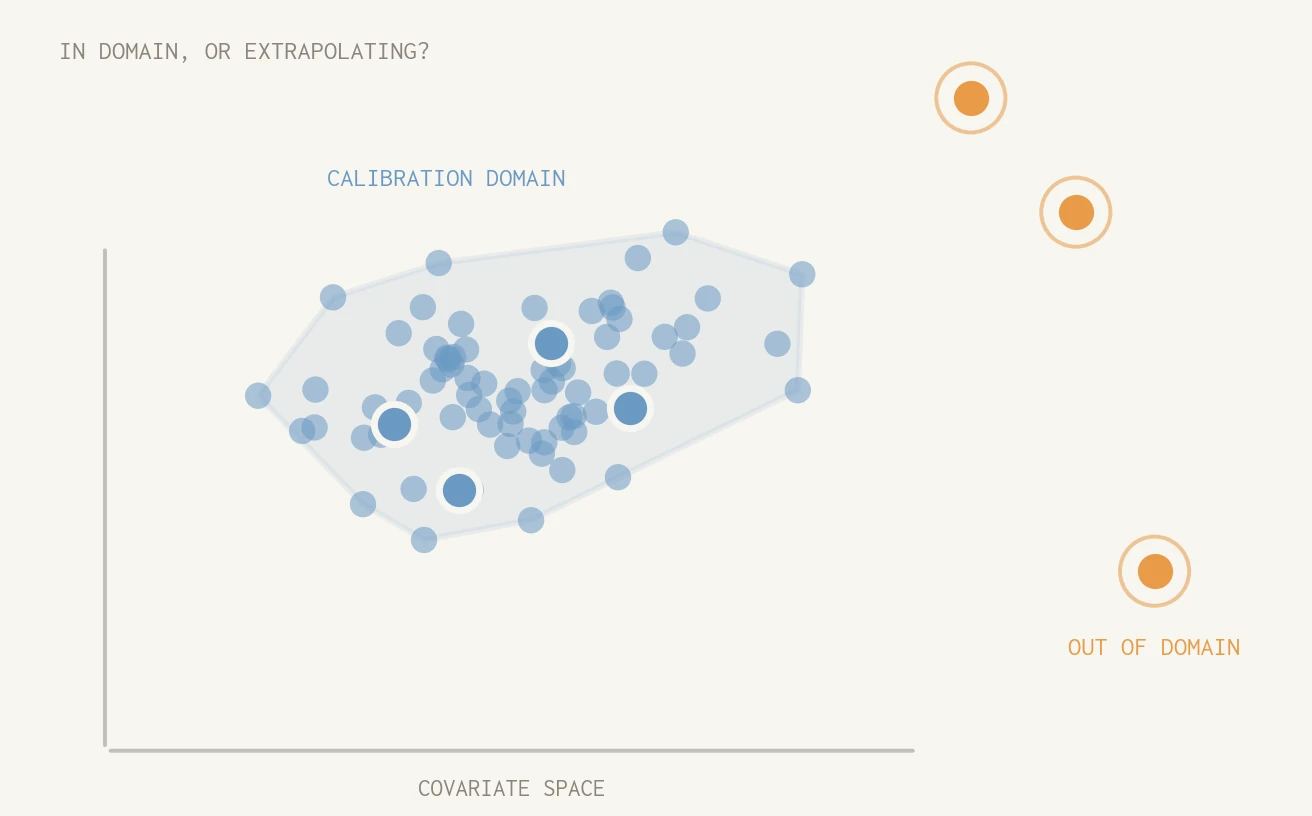
Calibration means four different things, and a good share of the arguments about validated models are two people using different ones. This piece separates the senses, then walks the workflow they share: why fitting well proves almost nothing, what each level of a data split actually estimates, how the cross-validation scheme you pick encodes a claim about the prediction task, which metrics are worthless on their own, and what it takes for a stated uncertainty to be honest. Ends with ten questions to ask of any modelled number. Three interactive tools.

Continue reading

Data & Methods

The Detection Limits of Soil Carbon: What a Measurement Programme Can Actually See

A soil carbon stock is a product of four measurements, and every one carries error. Spatial heterogeneity usually dominates the budget, bulk density is where systematic bias hides, and coarse fragments quietly wreck the arithmetic. What that means in practice: why fixed-depth and equivalent soil mass can differ by more than a hundred percent, how long a real change takes to become visible, what handheld spectroscopy costs you in precision, and which choices actually move the floor. Two interactive tools.

Continue reading
Soil Carbon

Does Soil Carbon Saturate? What the Ceiling Is, Where It Sits, and What Happens If You Keep Adding

"Soils will saturate" is used to end arguments, and it carries four separate claims: that a field has stopped gaining, that it has reached equilibrium, that its mineral capacity is exhausted, or that further gain is uneconomic. Only one is saturation. A working guide to which fraction actually fills up, why the most famous plateau in soil science cannot test saturation at all, why published capacity equations disagree by close to a factor of two on the same soil, and where the carbon goes when you keep adding anyway. Four interactive tools.

Continue reading
Soil Carbon

How Much Soil Carbon Can a Hectare Gain Per Year? A Benchmark for Removal Rates

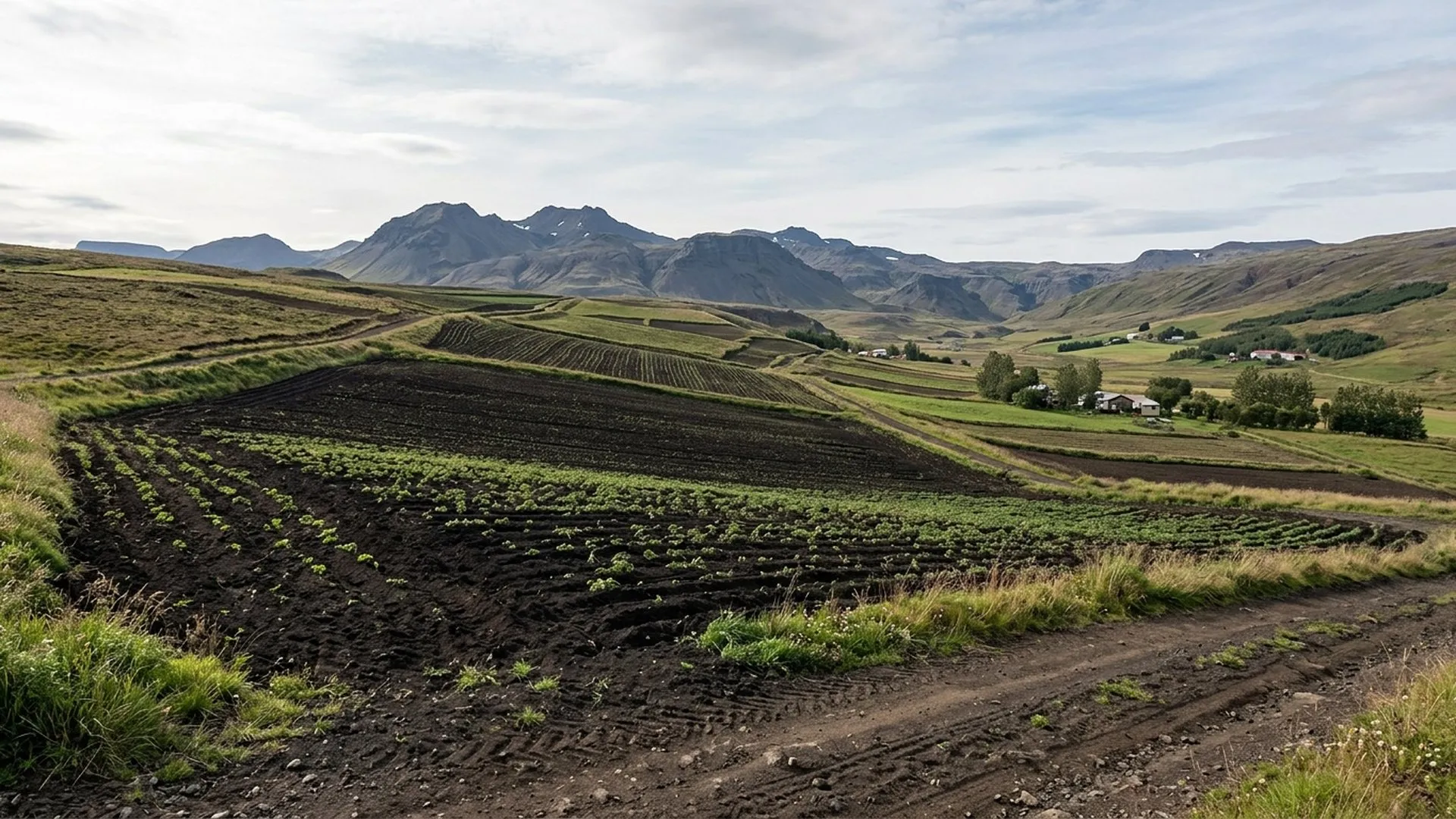
A rate on its own means nothing. Whether 0.2, 1 or 5 tonnes of CO₂ per hectare per year is high or low depends on the baseline stock, the sampling depth, the control and the time since the practice started. A calibrated benchmark of soil organic carbon accrual across cover crops, residues, rotations, reduced tillage, organic amendments, agroforestry, grazing and land-use change. It covers the four-per-mille rule of thumb, the saturation curve that makes early rates unrepeatable, and why two careful papers on the same practice can differ tenfold. Four interactive tools.

Continue reading
Agroforestry

How Much Carbon Does a Tree Capture Per Year? A Cross-System Benchmark

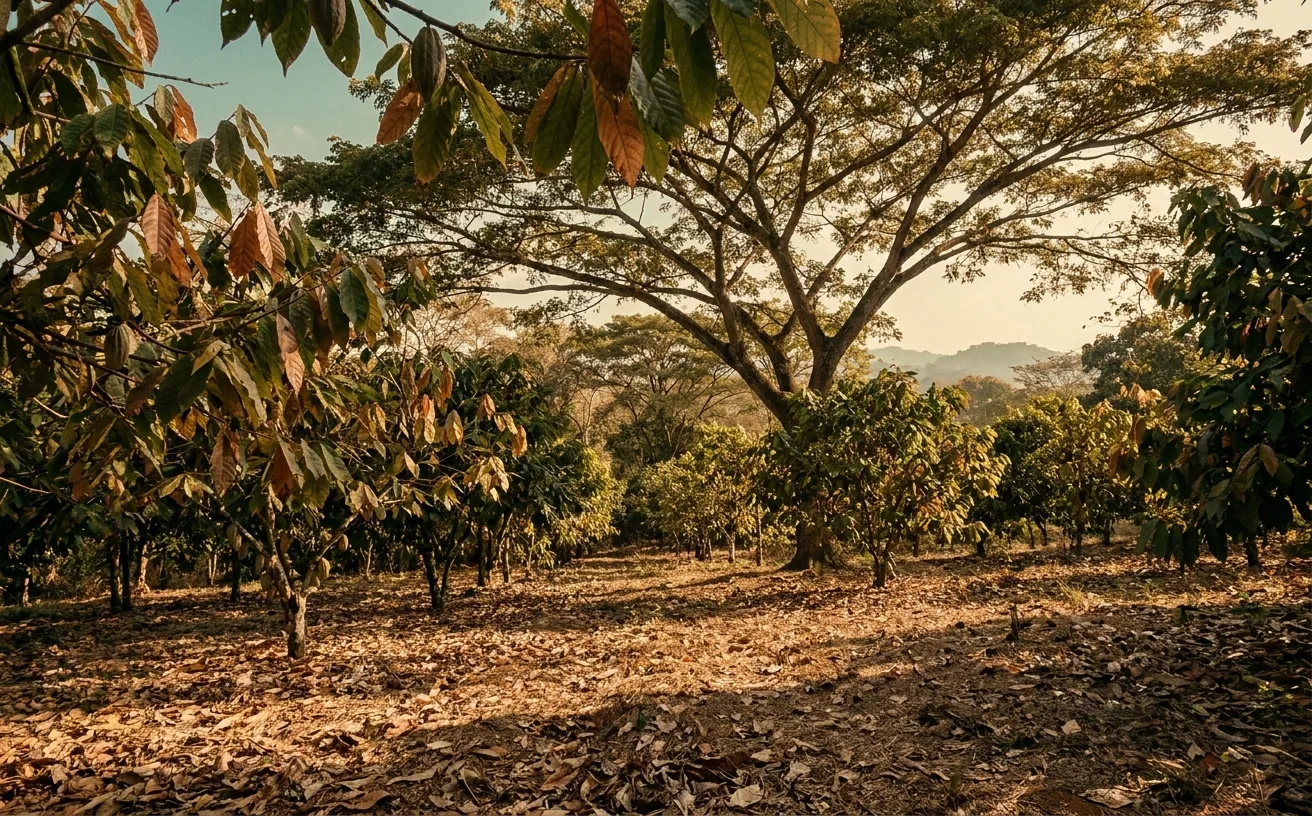
There is no single per-year rate. A believable figure is a range set by system, stand age, and whether you mean one tree or a hectare, and it spans more than an order of magnitude. A calibrated cross-system benchmark of per-tree and per-hectare sequestration rates, from tropical forest and agroforestry to plantations, farms, cities, and restoration, with the drivers of the spread and sanity checks for any claimed rate. Three interactive tools.

Continue reading
Climate & Ecosystems

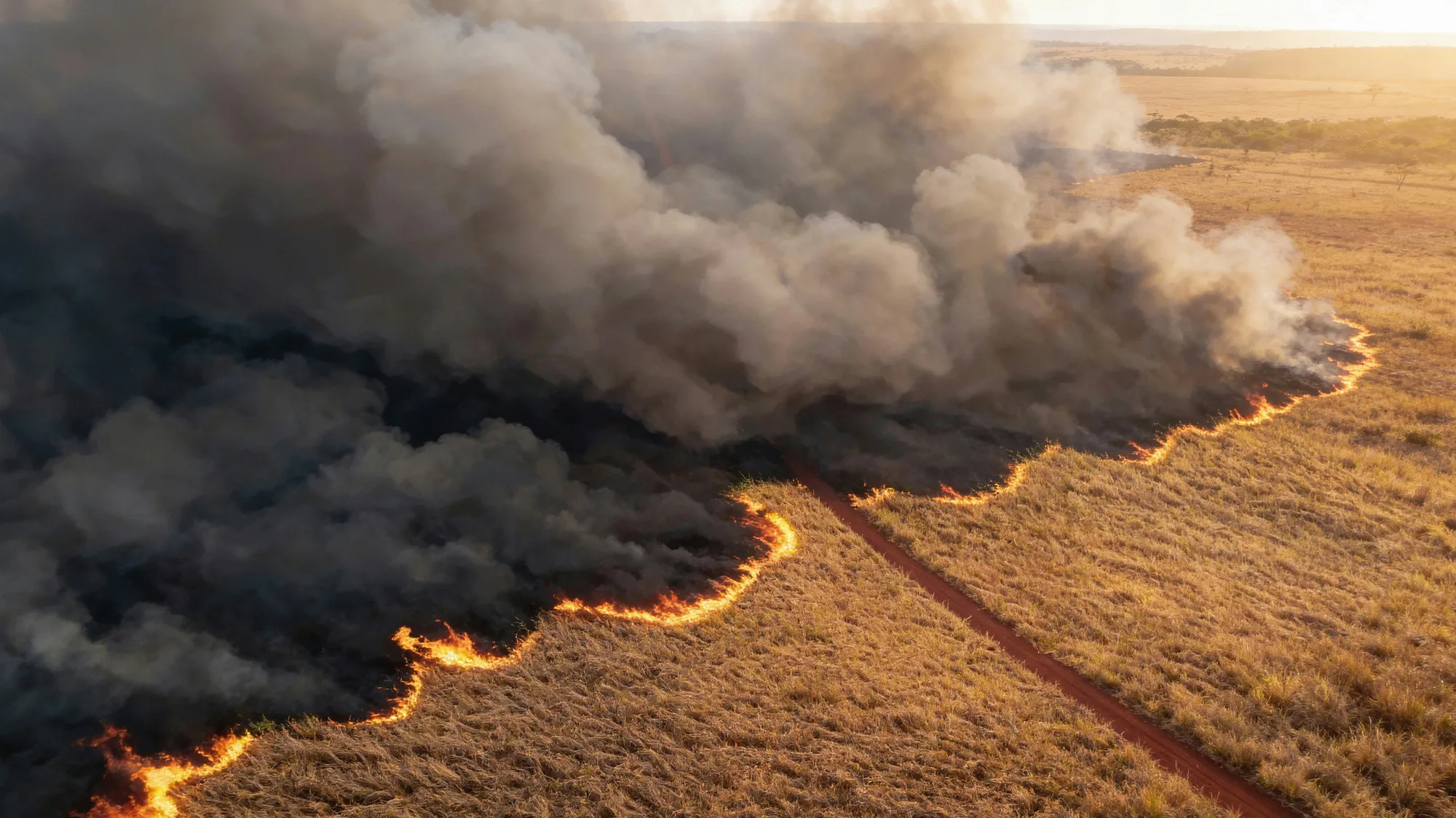
After the Fire: How Burning Reshapes Soil, and What Comes Back

Fire is not one thing, and neither is its effect on soil. A first-year nutrient flush and a hidden water-repellent layer, erosion in the middle years, and a long-term ledger of lost organic matter against stubbornly stable pyrogenic carbon. What the data show across the short, medium, and long term, from Canadian boreal fires and African savannas to slash-and-burn clearings and cereal stubble, and what you can actually do to help soil recover. Three interactive tools.

Continue reading
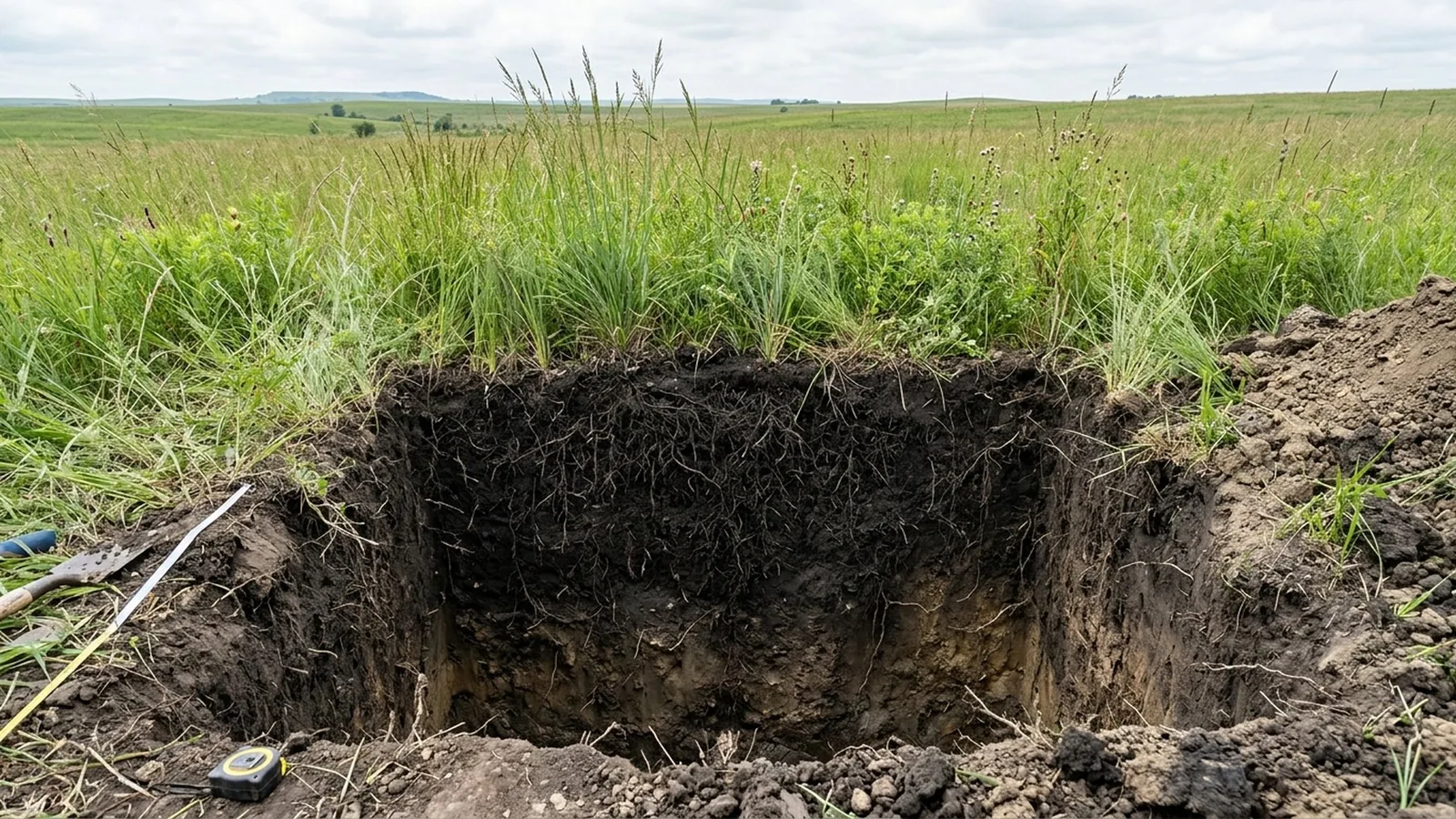
Climate & Ecosystems

France on the Edge of a Climate Precipice: Droughts, Heatwaves, and the Collapse Thresholds of Ecosystems

In June 2026, France is living through its most intense heatwave on record, on soils already in deficit. A faithful translation of our French research notes, tracing how the country's vegetation, forests, and farming systems approach their tipping points, and how far and for how long they can hold before collapse. Forty-five references, four interactive tools.

Continue reading
Ekodama // Field practiceRef 2026-11

Work with us

Ready to scope a project?

Note // Images

Some images on this page are AI-generated rather than photographed. How this practice uses AI →